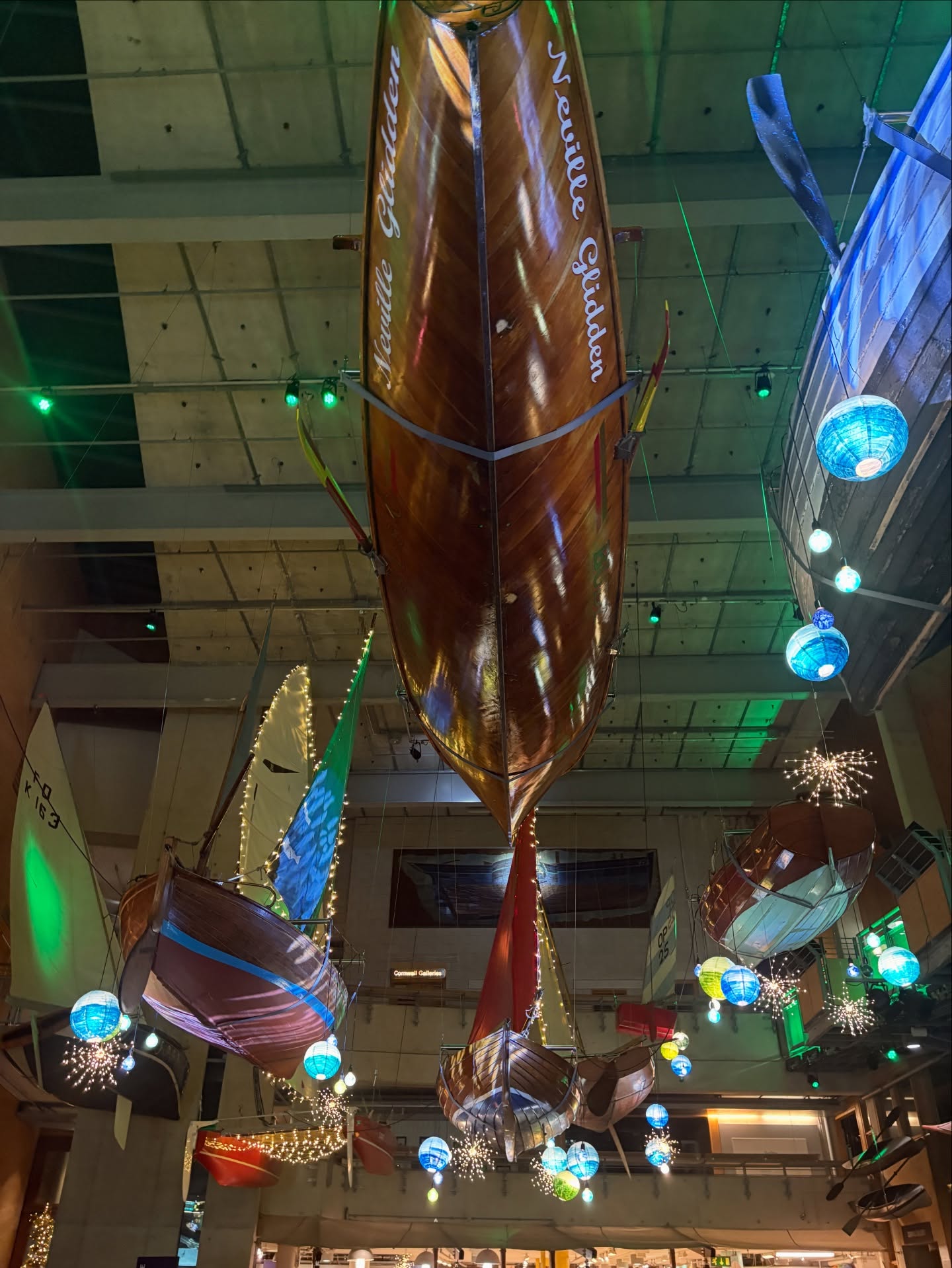
We attended Cornwall Sustainability Awards 2025 last Friday – and what an evening it was! With more than 70 entrants, boats glistening on the water, and twinkling lights at National Maritime Museum, the atmosphere was magical.


It was wonderful to be surrounded by so many like-minded people and businesses, all committed to sustainability and working with the environment rather than against it.
We were treated to a truly inspiring talk by the incredible Human Swan, conservationist Sacha Dench, who flew alongside the Bewick’s Swans, highlighting the many obstacles they face, as well as sharing stories of migrating Ospreys.

Sacha Dench, The Human Sawn

The Human Swab who followed the migratory route from Norway to Africa in a hover craft
This really struck a chord with us, as we frequently see migrating Ospreys here in Cornwall on our Helford Koru Kayak Adventures from Budock Vean Hotel as they follow their flight path to Africa. Migratory birds are such a huge part of what we witness on the water—Ospreys are just one of the many remarkable species we’re lucky enough to encounter.
We were absolutely thrilled to see The Grower Nursery at Presingoll Farm win an award for Nature Friendly Farming! Supplying local cafés like Canteen Mount Hawke, hosting pumpkin and sunflower fields, and championing carbon sequestration—something we’re learning more about through the incredible Maerl and seagrass beds capturing carbon in the Helford.
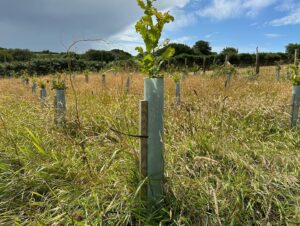
Koru caught up with Inez Williams from the farm who said, ‘Presingoll farm is family-run, 200-acre farm located on the outskirts of St Agnes, Cornwall. The farm practises regenerative farming and includes Pedigree South Devon Cattle, Pedigree Tamworth Pigs, brassicas, low input grassland, cover crops including phacelia, PYO sunflower field and pumpkin patch. Most recently we’ve incorporated the tree production into the farm’s overall five-year crop rotation; which focuses on soil health, carbon sequestering and biodiversity.”

“The farm is now actively managed to encourage carbon sequestration and reduce carbon release, to enhance the landscape’s biodiversity and long-term soil health. Since 2018 we have adjusted a number of farming practices, such as stopping ploughing, and moved to a minimum to no-till soil management approach. This has enabled us to improve soil structure allowing us to maintain planting regimes through the summer months, as the soil, with its stronger structure and higher organic material content, has retained more moisture and nutrients.
“We have established a rotation providing 100% winter and spring ground cover, using phacelia and clover. Not only does this reduce run-off, preventing soil erosion, but has benefits for pollinators, and in subsequent use as green manure, increasing SOM when incorporated. If we can increase our soil carbon by 1% we should sequester at least 5 tons/acre of additional carbon. Whilst we need to do more research and collect more data, our current regenerative practices should see our carbon baseline improve by at least 5% over the next 10 years, and thus 25 tons of carbon sequestered/acre.”
“With improved soil quality, and by encouraging beneficial insects, we are able to avoid spraying insecticides against aphids on our Beech crop – our army of ladybirds devour the aphids naturally, which is an example of our investment in ecosystem services. “
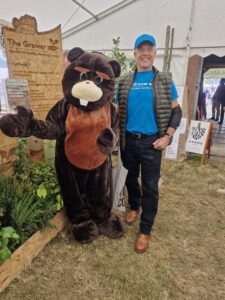
“We’re investing in our local community creating entrant level positions and hosting community days which have included our Human Beaver project building trickle dams, tree planting and engagement with local schools. Our next community tree planting day will be in February half term open to families and all ages. If you’re interested in coming along to our community days keep an eye out on our social media channels or get in touch on contact@thegrower.co.uk”
Feeling truly inspired, and reminded of how interconnected sustainability is across Cornwall—on land and water.